







Who is Microbizz for? A guide for service and operations companies
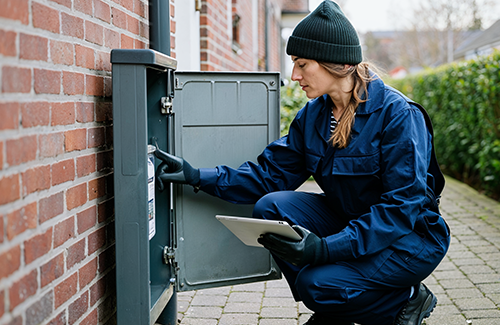
Microbizz is built for companies where employees carry out tasks at the customer's location or across different sites, rather than from a fixed desk in an office. Today, this applies especially to four types of companies: contractors and tradespeople, service companies, utility companies, and facility management companies. What they have in common is many concurrent tasks, field-based employees, and a need to document completed work for customers, authorities, and their own management.
Which companies are a good fit for Microbizz?
Regardless of industry, a few traits tend to show up in companies that get the most out of Microbizz:
- Employees who work at the customer's location or across different addresses, rather than at a fixed desk
- Many concurrent tasks or cases that need to be planned, assigned, and followed up on
- A need to document quality and completed work, for both customers and authorities
- A wish to bring tasks, time tracking, and invoicing together in one place instead of spreadsheets, paper slips, and separate systems
Company size: from a handful of employees to large organizations
Microbizz is used both by smaller companies with a handful of field employees and by large organizations with several departments. Because the setup is flexible and can be expanded gradually, a company can start with the modules it needs from day one and add more as it grows, rather than having to invest in a complete system right away.
Industries Microbizz is built for
Microbizz is tailored to four core industries, each with its own set of demands on day-to-day operations.
Contractors and tradespeople
Contractors and tradespeople typically need to coordinate several projects, crews, and equipment across construction sites at the same time. Here, Microbizz helps keep track of equipment across projects and supports project management for longer-running jobs, where documentation for customers and authorities is a routine part of the work.
Service companies
Service companies with technicians, for example within HVAC, often have many short visits to different customers on the same day. Here, route planning gives a clearer overview of the day's routes, while time tracking and invoicing directly from the task mean work can be invoiced as soon as it's completed.
Utility companies
Utility companies in water, heating, and fiber often operate across a large geographic area and need to document quality and completed work as tasks are carried out. The need to exchange data with other systems and partners can also be handled through EDI.
Facility management companies
Facility management companies responsible for property services and cleaning typically need to keep track of tasks and quality across many properties. Here, the extranet lets customers follow the documentation themselves, without having to call the office.
Frequently asked questions about who Microbizz is for
Is Microbizz only for large companies?
No. Microbizz is used by both smaller companies and large organizations, because the solution is scalable and can be adapted to the number of users and modules needed.
Does our industry need to match exactly for us to use Microbizz?
No. Microbizz is used today mainly by contractors, service companies, utility companies, and facility management companies, but the setup can be adapted to other industries with field-based employees and similar task and order management needs.
Where can we see examples from other customers in our industry?
See customer cases for examples of how companies in different industries use Microbizz in practice.
When is Microbizz not the right choice?
If a company only carries out work from a single fixed office, with no field employees and no need to document completed work, the need for a platform like Microbizz will typically be limited. Contact Microbizz if you're unsure whether your company is a fit for the platform.